
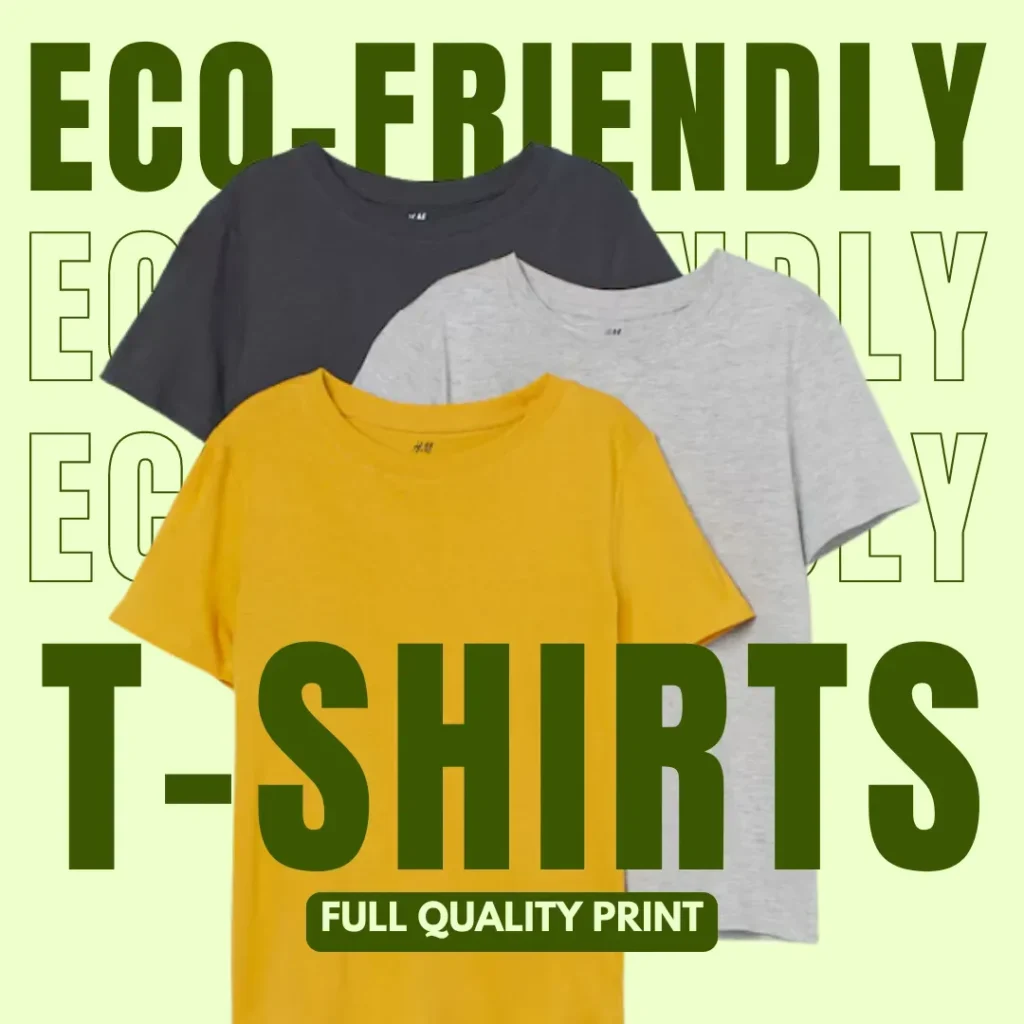
Sustainable Custom Shirts embody a movement toward responsible fashion where quality, comfort, and environmental stewardship go hand in hand. From fabric sourcing to end-of-life considerations, the emphasis is on transparency and sustainable practices that resonate with both consumers and brands. Choosing eco-friendly fabrics like organic cotton shirts, hemp blends, and recycled fibers helps meet the demand for sustainable apparel while maintaining performance. Low-impact and eco-friendly printing techniques support vibrant, durable designs without compromising the planet. By aligning supply chains, certifications, and care guides, brands can offer customizable shirts that look great and align with eco-conscious values.
In broader terms, this approach translates to green, ethically produced apparel built around responsible materials and transparent processes. Think of it as customized, low-footprint wardrobe staples crafted with sustainable textiles and mindful manufacturing. The goal is to balance personalization with longevity, offering durable fits and versatile designs while reducing water use and chemical exposure. Whether you call it eco-conscious design, ethical fashion, or responsible apparel, the core idea remains the same: quality garments that respect people and the planet. Sourcing from mills with certifications like GOTS or OEKO-TEX and maintaining transparent traceability across the supply chain reinforces trust and credibility.
Sustainable Custom Shirts: A Practical Guide to Eco-Friendly Fabrics and Printing
Sustainable Custom Shirts represent a shift toward responsible fashion where quality, comfort, and environmental stewardship converge. This approach anchors decisions in eco-friendly fabrics and eco-friendly printing techniques, reflecting the broader goals of sustainable apparel.
By prioritizing transparent fiber origins and low impact production methods, brands can offer customization that respects people and the planet. This guide translates core ideas from fabrics and supply chains into practical choices for designers who want shirts that perform, endure, and align with eco-conscious values.
Organic Cotton Shirts and Other Eco-Friendly Fabrics for Sustainable Apparel
Organic cotton shirts are often the baseline for sustainable apparel. GOTS-certified organic cotton reduces synthetic pesticides, promotes safer dyeing, and supports fair farming practices, yielding a soft, breathable fabric ideal for casual and premium shirts.
Blends such as organic cotton with TENCEL Lyocell or recycled polyester can boost moisture management, durability, and shape retention while keeping eco-friendly fabrics content at the fore. These combinations help maintain comfort without compromising the planet’s footprint.
Eco-Friendly Printing Techniques that Reduce Footprint
Eco-friendly printing techniques include water-based inks, discharge inks, pigment inks, and direct-to-garment DTG methods that dramatically lower solvent use and plasticizers when applied with care.
Water-based inks work well with natural fibers like organic cotton shirts, delivering vibrant color and a soft hand while staying aligned with eco-friendly printing techniques and sustainable apparel goals.
Sourcing Transparently: Certifications and Traceability in Shirts
Sourcing transparently means demanding clear information about fiber origins, mills, dye houses, and finishing facilities. Certifications such as GOTS, OEKO-TEX Standard 100, and Fair Trade signal a commitment, but must be supported by supplier audits and verifiable traceability.
Local or near-shore production can cut transportation emissions and speed turnaround without sacrificing quality, especially when partners practice energy efficiency, wastewater treatment, and responsible chemical management. This transparency strengthens the sustainability profile of Sustainable Custom Shirts.
Designed for Longevity: Fit, Construction, and Care for Reduced Waste
Design for longevity starts with durable stitching, robust seams, and colorfast finishes that resist wear. Offering multiple fits and customizable features like pocket styles, collars, and sleeve lengths maximizes wearability and reduces waste over time.
Care guidance matters for extending garment life. Recommend cold-water washing, gentle cycles, and air drying when possible, while avoiding fabric softeners that can build up residues and degrade performance over time.
Evaluating Sustainability: Certifications, Audits, and Real-World Impact
Evaluating sustainability means looking beyond marketing claims to certifications and verification. GOTS, OEKO-TEX Standard 100, Bluesign, and Fair Trade provide credible signals, while measured metrics such as water usage, energy intensity, chemical management, and waste reduction reveal real impact.
Request samples and rely on third-party audits, supplier data, and open reporting to quantify environmental footprint and demonstrate progress to customers and stakeholders.
Frequently Asked Questions
What are Sustainable Custom Shirts and why do they matter for sustainable apparel?
Sustainable Custom Shirts are garments produced with eco friendly fabrics and responsible printing that balance quality, comfort, and transparency in the supply chain. They matter because they blend performance with environmental stewardship, meeting consumer demand for ethical apparel and clearer sourcing information. This approach also supports longer lasting garments and more responsible business practices.
Which fabrics are best for Sustainable Custom Shirts, including organic cotton shirts and other eco friendly fabrics?
A strong basis is organic cotton shirts, especially GOTS certified, which minimizes synthetic pesticides and supports safer dyeing. Other eco friendly fabrics include hemp blends with organic cotton, modal or lyocell fibers, and recycled polyester or recycled cotton blends. Look for credible certifications and low impact dyeing to reduce water use and chemical exposure across the fabric.
How do eco friendly printing techniques impact the sustainability of Sustainable Custom Shirts?
Eco friendly printing techniques such as water based inks, pigment inks, and direct to garment DTG with energy efficient dryers reduce solvent emissions and waste. Discharge printing with low VOC inks can minimize the number of layers while preserving color on light fabrics. Choosing printing methods that pair well with the fabric can improve durability and lower environmental impact.
How can brands ensure sourcing transparency for Sustainable Custom Shirts?
Brands should require fiber content documentation and third party certifications, and demand traceability from fiber to finished garment. Certifications to consider include GOTS, OEKO-TEX Standard 100, Bluesign, and Fair Trade, complemented by supplier audits and verifiable chain of custody. Local or near shore production can also reduce transport emissions while maintaining quality.
What care and design choices maximize durability and longevity of Sustainable Custom Shirts?
Durable stitching, robust seams, and colorfast fabrics extend the life of Sustainable Custom Shirts. Offer multiple fits and customizable features to maximize wearability and reduce waste. Provide clear care instructions such as cold water washing, gentle cycles, and air drying to maintain fabric integrity and color.
What is the business value of adopting Sustainable Custom Shirts with eco friendly fabrics and printing?
Adopting Sustainable Custom Shirts can support premium pricing for corporate gifting, team uniforms, and premium fashion lines, while long lasting garments reduce returns and repairs. A transparent sustainability story helps differentiate a brand in a crowded market and builds loyalty with customers who value ethics and quality. In the long run, sustainable apparel practices align with cost efficiency and responsible growth.
| Aspect | Key Points | Notes |
|---|---|---|
| Fabrics | Eco-friendly fabrics vary by origin, performance, and footprint. Organic cotton is the baseline; use GOTS-certified organic cotton to reduce pesticides and support safer farming. Consider blends with TENCEL™ Lyocell or recycled polyester to improve moisture management and durability. Hemp adds pest resistance and lower pesticide needs. Modal/Lyocell with organic cotton offers excellent drape and comfort. Look for credible certifications (OEKO-TEX Standard 100, FSC-certified fiber sources). Recycled polyester/cotton blends reduce landfill waste and virgin material use. Dyes, finishes, and water use matter: prefer low-impact dyes, water-based inks, non-toxic coatings, and, when possible, closed-loop dyeing systems. | Certifications and traceability matter; verify fiber origin and factory practices. |
| Printing Practices | Printing methods impact sustainability. Traditional plastisol inks are PVC-heavy; water-based inks reduce plasticizers and solvent emissions and work well with natural fibers. For darker fabrics, use color-matching systems and pigment layering to minimize pigment load. Discharge printing with low-VOC inks can be efficient on light fabrics but requires safe dye residues and appropriate aftercare. Other eco-friendly options include pigment inks and DTG using water-based inks and energy-efficient dryers. Consider ink chemistry, curing temperatures, and fabric compatibility to balance durability with footprint. | Pair with fabric choices and curing controls for best results. |
| Sourcing & Transparency | Brands should pursue supply chains with clear fiber origins, mills, dye houses, and finishing facilities. Certifications like GOTS, OEKO-TEX Standard 100, and Fair Trade help, but audits and verifiable traceability are also essential. Local or near-shore production reduces transport emissions and speeds turnaround. Seek partners with energy efficiency, wastewater treatment, and responsible chemical management practices. | Audits and traceability are critical to credibility. |
| Design, Fit & Longevity | Durable stitching, robust seams, and colorfastness extend garment life. Offer multiple fits and customizable features (pocket styles, collars, sleeve lengths) to maximize wearability and reduce waste. Care instructions matter: advise cold-water washing, gentle cycles, and air drying when possible; discourage fabric softeners to preserve performance. | Longevity reduces replacements and waste. |
| Sustainability as a Shared Practice | Sustainable Custom Shirts require collaboration among designers, suppliers, printers, and customers. Clear communication about material choices and methods helps shoppers understand trade-offs and benefits. Transparent storytelling about lifecycle builds consumer trust and highlights durable, responsibly made apparel. | Collaboration drives credibility. |
| Certifications, Standards & Verification | Key certifications include GOTS, OEKO-TEX Standard 100, Bluesign, and Fair Trade. Certifications guide decisions but aren’t the sole measure of sustainability. Track metrics like water use, chemical management, energy intensity, and waste reduction; collect data from mills, dye houses, and printers to set credible goals. | Use data to verify claims. |
| Choosing a Supplier: Practical Tips | Ask for fiber content, certifications, and mill documentation; demand fiber-to-garment traceability. Request dye/ink specs (VOC levels, washfastness, drying temps). Review supplier’s energy and water management practices (water recycling, waste minimization, chemical plans). Request samples to assess fabric feel, print quality, and durability. | Ensure transparency and test samples. |
| The Business Case for Sustainability | Eco-friendly fabrics and printing can support premium pricing in corporate gifting, team uniforms, and premium lines, while durable garments reduce returns and repairs. A transparent sustainability story differentiates a brand and builds loyalty among ethics- and quality-minded customers. | Sustainability as a market differentiator. |