
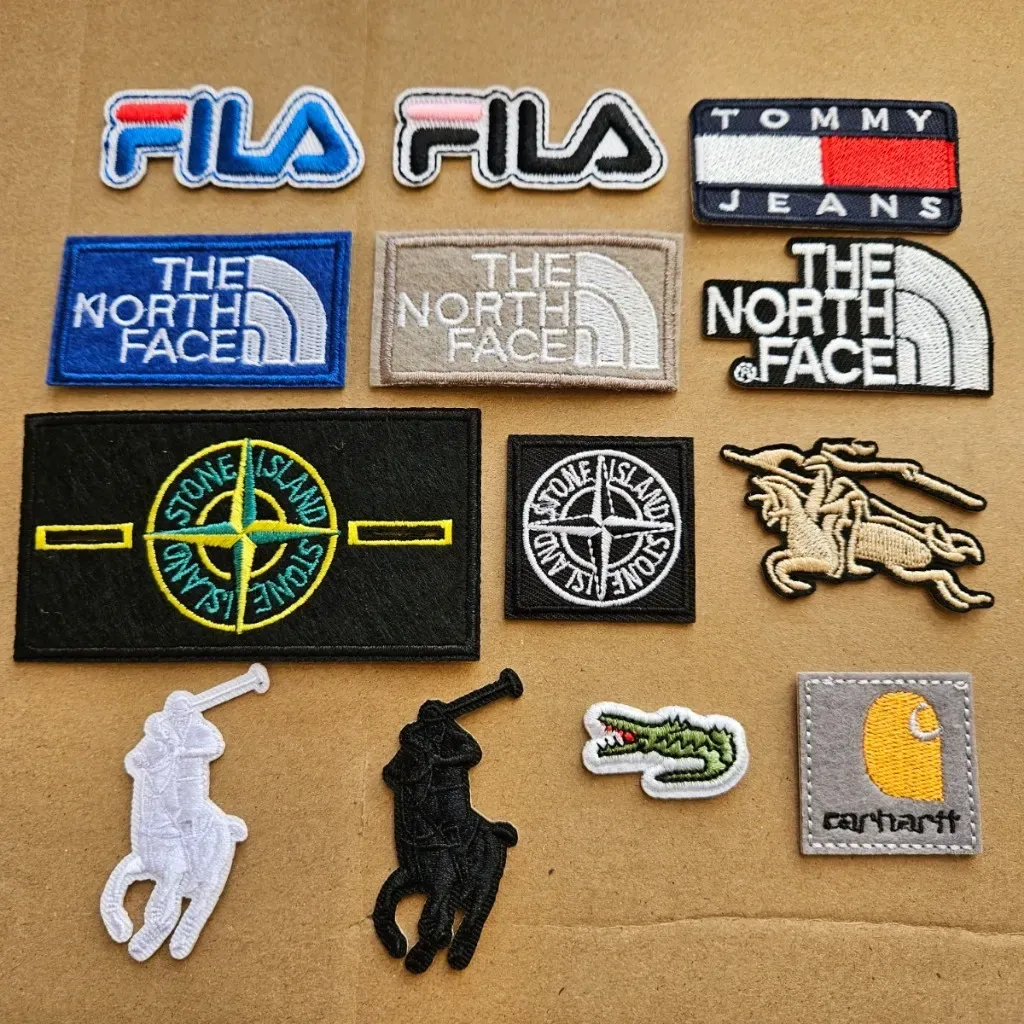
Custom Patches for Brands offer a tangible way to showcase a company’s identity on apparel and gear. They turn a simple logo into a durable, portable ambassador that travels with customers, much like signature custom embroidery patches. A well-crafted patch supports branding patches across uniforms, bags, and promotional items, delivering visibility in everyday wear. From patch design to patch production, designers balance color, shape, and texture to produce results that endure through washing and wear. Gaining insight into design choices and practical application tips for patches can help brands maximize ROI and maintain consistency across product lines.
Beyond the headline term, brands can convey identity through garment badges and logo patches that function as durable, portable identifiers. These branding embellishments act as ambassadors for the brand, turning everyday clothing into a narrative canvas. Typically, manufacturers choose embroidered or woven insignias to balance visibility, cost, and washability while staying aligned with brand guidelines. What many call branding patches or branding insignias shares the goal of consistent messaging across products and seasons. Exploring options in patch production and application methods helps teams select the right garment identifiers for uniforms, merchandise, or fan gear.
Custom Patches for Brands: Design Essentials for Visual Identity
When planning Custom Patches for Brands, the first priority is translating your logo into a durable, recognizable patch. Patch design should emphasize clarity, legibility at common patch sizes, and faithful color reproduction that aligns with your brand colors. By starting with clean vector artwork and simplifying intricate details, you preserve essential elements such as shape, color blocks, and typography while ensuring the design remains legible on hats, jackets, and badges. This is where the concepts of patch design and custom embroidery patches intersect with branding patches to create a coherent brand signal across products.
A thoughtful approach to backing, edging, and color selection helps reinforce the brand at a glance. Consider Pantone-matched threads for precise color accuracy and limit the palette to 3–5 colors to balance fidelity with production efficiency. Shape and size choices—whether circular, shield-shaped, or a custom silhouette—affect perceived value and compatibility with various garments. By incorporating these design choices early, you set the stage for consistent branding patches that perform well in real-world wear and washing.
Patch Design: Translating Your Logo into Durable Embroidery
Effective patch design begins with simplifying complex logos into scalable embroidery-ready formats. Start with vector artwork and test how small details read at patch sizes typical for hats, jackets, or badges. The goal is to preserve the essence of the logo—forms, color blocks, and typography—while ensuring clean edges and legibility in embroidery. This aligns with best practices in patch design and supports the use of high-quality custom embroidery patches across a brand portfolio.
Beyond aesthetics, thread choices and finish options influence durability and wear. Dense stitching provides bold texture and strong lay-flat performance, while satin fills deliver a smooth surface for high-contrast logos. The edging—Merrow or other finishes—affects both appearance and resilience through repeated washing and exposure. Thoughtful selection of backing options (iron-on, sew-on, or adhesive) further tailors the patch to its intended application and long-term performance.
Choosing the Right Materials: Embroidered, Woven, PVC, and Sublimated Patches for Branding Patches
Branding patches benefit from understanding material strengths. Embroidered patches deliver classic texture and robust color density, making them a staple in uniform programs and durable branding patches. Woven patches offer a flatter, sharper look with crisp small-letter detail, ideal for multi-color designs on premium apparel. PVC patches stand out with bold, tactile presence and superior water resistance, while sublimated patches integrate color into the patch body for detailed, photo-heavy designs. Each material supports different branding contexts and budgets within the broader patch production landscape.
Choosing the right patch material involves considering garment type, wear expectations, and care requirements. Heavier outerwear pairs well with thicker patches and reinforced stitching, whereas lightweight tees benefit from thinner, flatter options. For durability in high-wear applications, combine the chosen patch material with strong backing and edge finishing. This material-aware approach helps ensure your branding patches maintain colorfastness and structural integrity across multiple washes and uses.
Production Pathways: From Proof to Production in Patch Production
The patch production journey typically progresses from final design approval to color-match proofs, then production samples, and finally mass production with post-production quality checks. Engaging early with color proofs, material swatches, and attachment tests minimizes surprises downstream and keeps the project aligned with branding patches standards. This workflow—final design approved → proofing → sample → production → QA → delivery—is a core practice in patch production for consistent results across lots.
A practical supplier relationship supports clear communication, transparent pricing, and reliable timelines. Request multiple proofs, including edge finish comparisons and fabric-specific color density, to verify your patch looks correct on different backings and garments. By building a rigorous proofing process into the production pipeline, brands reduce rework costs and ensure that the finished patches faithfully render the intended design.
Application Tips for Patches: Iron-On, Sew-On, and Adhesive Backings
Understanding application tips for patches helps ensure the final look endures in real-world use. Iron-on backings offer quick branding for consumer goods, but you should provide clear heat-press instructions—temperature, pressure, and curing time—and flag fabrics that may require adjustment. For athletes or garments subjected to frequent washing, sew-on patches with reinforced stitching around the border provide superior security and durability.
Adhesive backings offer convenience for temporary branding or on-the-go branding changes, though they typically sacrifice long-term adhesion. Clear placement guidance—on sleeves, chest panels, hats, or bags—combined with proper layout recommendations enhances brand impact while ensuring consistent results across product lines. Emphasizing application tips for patches helps customers achieve the intended look and longevity, especially when colorfastness and edge finishing are considered.
Brand Consistency and Care: Durability, Care, and Quality in Custom Embroidery Patches
Maintaining brand consistency across products requires standardized patch sizes, placements, and color treatments that align with your brand guidelines. Standardizing sizes (for example, 1.25
Frequently Asked Questions
What are Custom Patches for Brands, and how does patch design affect their impact?
Custom Patches for Brands are fabric patches used to express identity on apparel and gear. Patch design matters: start with clean vector artwork, simplify logos for embroidery, choose a color palette of 3–5 colors, decide shape and size, and select edging and backing. A strong design improves legibility, durability, and brand recognition across products.
How do you choose between custom embroidery patches and other options for Branding patches?
For Branding patches, custom embroidery patches offer durability and texture, and remain a classic option; other methods include woven, PVC, and sublimated patches with different looks and costs. Consider logo detail, color fidelity, wear patterns, and product type to pick the right method. In many brands, embroidery is ideal for uniforms and outdoor gear, while woven patches suit premium apparel.
What should you consider during patch production to maintain color accuracy and durability for Custom Patches for Brands?
Key factors are color proofs, material swatches, and thread color accuracy (Pantone-matched threads). Choose backing, edge finishing, and size, and request production samples and a color-match proof before bulk production.
What are the application tips for patches to ensure secure attachment and long wear for Branding patches?
Provide clear application guidance for iron-on and sew-on methods, including temperature, pressure, and cure time, and advise fabric suitability with small-area tests. For sew-on patches, secure stitching around the edges; note that adhesive backings are best for temporary branding and light wear.
What standardization practices in patch production help ensure consistent Branding patches across products?
Define standard patch sizes and placements, use consistent backing and edge finishing, and implement a robust proofing process with color and density checks across fabrics. This ensures cohesive visuals across product lines.
What should brands look for in a partner when designing and producing Custom Patches for Brands?
Look for clear communication, comprehensive proofs and color matching, transparent pricing and timelines, a strong portfolio, and quality certifications. A practical workflow typically includes design approval, color-proof, production sample, mass production, post-production QC, and delivery.
| Aspect | Key Points | Notes |
|---|---|---|
| Patch Design | Start with clean vector artwork; simplify small logos to avoid embroidery detail loss; preserve essential elements (shape, color blocks, typography); use a limited color palette (3–5 colors); ensure legibility at 1–4 inch patch sizes; choose shape (round, shield, oval, or custom); consider edging and finishing options (Merrow overlock, satin stitch); select backing options (iron-on, sew-on, sticky) and plan proofs with color approvals | Design considerations support brand clarity and smoother production |
| Production Options | Embroidered patches: durable, textured logos with strong color reproduction and good lay-flat performance; compatible with iron-on or sew-on backings. Woven patches: flatter, crisper small-letter detail, thinner, suitable for premium apparel. PVC patches: highly durable, water resistant and bold tactile feel. Sublimated patches: color-integrated designs good for photo-heavy artwork | Backing and attachment impact real-world performance; request proofs, swatches, and attachment tests; production costs vary by method and size |
| Backing & Attachment | Iron-on, sew-on, or adhesive backings; iron-on offers quick branding but may not suit all fabrics; sew-on provides security for athletic wear or frequent washing; adhesives useful for temporary branding; reinforce stitching and edge finishing for durability; test attachment on final fabrics | Backings influence applicability, durability, and end-user experience |
| Branding Patches: Consistency, Quality, and Messaging | Align visuals with brand guidelines using official logo, color codes, and typography; standardize sizes and placements (e.g., 1.25 in x 1.25 in and 2 in x 2 in); ensure durability and care; implement a robust proofing process to compare color, density, and edge finish across fabrics | Clear proofing workflow saves time and money downstream |
| Application Tips: What Works in the Field | Iron-on: follow heat-press specs (temperature, time, pressure) and test on sample fabrics; sew-on: secure stitching around the edge with options like double-stitching or zigzag near the border; adhesives: suitable for temporary branding; placement strategies: sleeves, chest panels, hats, and bags for cohesive branding | Provide end-user instructions for direct sales and ensure consistent placement |
| Materials, Durability, and Care | Material options include twill, felt, and leather-like textures; ensure fabric compatibility with garment type; edge finishing options include Merrow, satin, or cut-edge; washability and care instructions; colorfastness considerations; test colorfastness and provide proofs | Stabilizers and reinforced stitching boost longevity |
| Choosing the Right Partner | Look for clear communication and responsive collaboration; proofs, swatches, and color matching capabilities; transparent pricing and realistic timelines; portfolio or case studies; quality certifications or assurances; practical workflow: final design -> color-match proof -> production sample -> mass production -> post-production quality checks -> delivery | Ask for references and samples to validate capability |
| Practical Tips for Brands | Start with a small test run to gauge customer response and wear; use patches for events, collaborations, or limited editions; bundle patches with apparel or accessories; seasonal color swaps or limited-edition shapes to keep lines fresh; maintain strong supplier relationships to address quality concerns quickly | This approach helps maximize ROI and keep product lines fresh |
Summary
Custom Patches for Brands offer a versatile, durable way to extend your identity across apparel, uniforms, bags, and gear. This guide summarizes the end-to-end journey from design through production to application, highlighting how thoughtful patch design preserves brand fidelity while practical production options balance cost and performance. By choosing appropriate patch formats—embroidered, woven, PVC, or sublimated—and matching backing and attachment methods to the intended use, brands can achieve consistent visuals and reliable functionality. Standardizing patch sizes and placements, building a robust proofing process, and providing clear application instructions enhances brand consistency, care, and customer satisfaction. With careful partner selection, test runs, and ongoing collaboration with suppliers, Custom Patches for Brands can become a flexible, scalable branding tool that strengthens recognition and loyalty across product lines.