
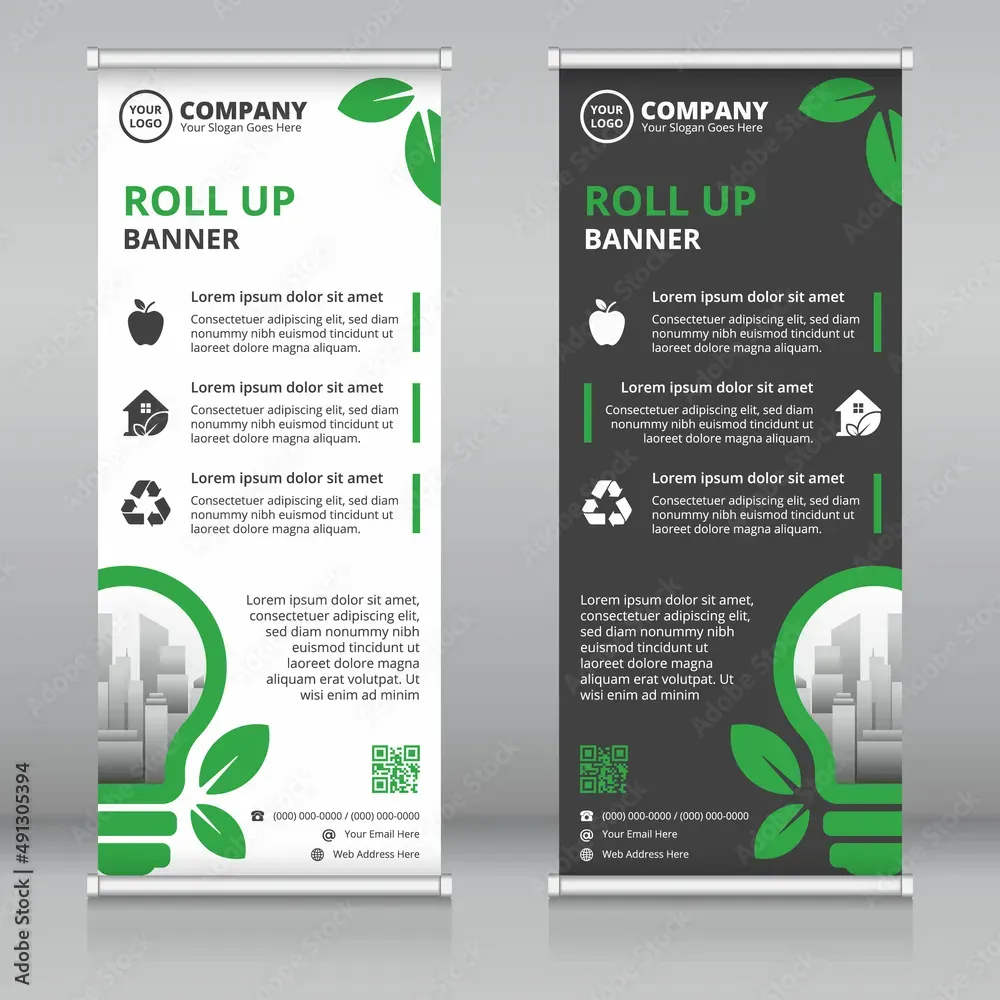
Eco-Friendly Custom Roll-Up Banners illuminate events and retail spaces with bold visuals while keeping sustainability at the forefront. In a world where venues demand eye-catching signage, these banners merge impact with responsible choices, aligning with eco-friendly banners and sustainable branding. By focusing on Roll-Up banner materials and using recyclable substrates, the design remains versatile while reducing environmental impact. This guide also covers Custom banner printing sustainable practices and highlights how recycled materials banners can power vibrant campaigns. Read on to discover how to balance durability, cost, and eco-credentials to create signage that resonates with audiences and the planet.
Eco-Friendly Custom Roll-Up Banners: Maximizing Impact with Minimal Footprint
Eco-Friendly Custom Roll-Up Banners offer bold visuals while limiting environmental cost. By choosing sustainable materials and prudent production practices, brands can communicate a green message without compromising quality. This approach aligns signage with broader corporate responsibility goals and supports a coherent narrative across events, retail displays, and trade shows.
From the outset, consider the full lifecycle of your banner to ensure it supports sustainable signage solutions. Selecting eco-friendly banners starts with material choice, then extends to printing processes and end-of-life options. When brands foreground ecological responsibility, audiences perceive authenticity and credibility, turning signage into a touchpoint that reinforces sustainable values rather than just a temporary advertisement.
Roll-Up Banner Materials That Reduce Environmental Impact
Roll-Up banner materials form the core of any green display. PVC-free substrates, polypropylene films, and durable polyester fabrics are common alternatives to traditional vinyl, delivering comparable performance with lower ecological footprints. These options also tend to be more compatible with recycling streams and easier to repurpose after use.
Incorporating recycled content substrates and considering long-term durability helps ensure banners are reused or recycled rather than discarded. When evaluating materials, weigh durability against end-of-life options to minimize waste, and favor substrates that support recycling programs for recycled materials banners. This balance supports a measurable reduction in material waste across campaigns.
Sustainable Printing Practices for Eco-Conscious Displays
Printing decisions influence environmental impact as much as material selection. Sustainable printing practices include low-emission inks, such as water-based or UV-curable formulations, and efficient color management to reduce misprints and wasted materials. Energy-conscious workflows further lessen the footprint of production.
To tighten sustainability, adopt on-demand production and transparent supplier credentials. The phrase custom banner printing sustainable practices highlights a practical approach: select inks with low VOCs, partner with facilities that share environmental data, and pursue certifications that demonstrate responsible sourcing and production. These choices help guarantee vibrant, durable visuals while staying aligned with eco-friendly goals.
End-of-Life Options and Recycling for Durable Signage
A true sustainable signage solution considers what happens after the event. Durable, reusable banner designs, modular hardware, and refurbishing options extend the life of a roll-up system, reducing the need for frequent replacements. Partnering with vendors that offer take-back or recycling programs keeps old banners out of landfills.
End-of-life planning also encompasses recycling streams and cradle-to-cradle considerations for banner substrates. By selecting products designed for recycling and ensuring access to appropriate recycling facilities, brands can close the loop on materials and support the broader goal of recycled materials banners becoming a standard practice rather than an exception.
Choosing a Supplier Aligned with Sustainable Signage Solutions
A supplier aligned with sustainable signage solutions provides material transparency, clear end-of-life options, and credible environmental credentials. Look for disclosures on recycled content, recyclability, and the availability of refurbishment or take-back programs that extend a banner’s useful life.
Beyond materials, assess printing credentials, energy efficiency, and certifications. Total cost of ownership matters—durable materials and reuse programs can lower long-term costs while reducing waste. Brand alignment is essential: choose partners whose sustainability commitments mirror your own messaging and values.
Measuring Impact: KPIs for Eco-Friendly Banners and Brand Growth
To prove value, track KPIs that connect sustainability with marketing outcomes. Metrics such as material composition, recyclability rate, and the number of uses per banner illuminate environmental performance and potential waste reduction.
Complement environmental metrics with traditional marketing indicators like impressions, engagement, and conversions. Including indicators such as waste diverted through recycling programs and energy use in production helps quantify the broader benefits of eco-friendly banners, reinforcing the case for sustainable signage solutions as a driver of both impact and brand trust.
Frequently Asked Questions
Why should you consider Eco-Friendly Custom Roll-Up Banners for events or retail campaigns?
Choosing Eco-Friendly Custom Roll-Up Banners helps reduce waste, use lower-impact materials, and reinforce a green brand image. By prioritizing durable materials and recycling options, you can maintain high-impact messaging while supporting sustainable signage solutions.
What Roll-Up banner materials should I look for to minimize environmental impact?
Look for PVC-free substrates, recycled content, and polyester fabrics. These Roll-Up banner materials and recycled materials banners can extend the banner’s life, simplify recycling, and align with eco-friendly banners goals.
How do printing methods support sustainable practices in Eco-Friendly Custom Roll-Up Banners?
Prefer custom banner printing sustainable practices such as water-based or UV-curable inks and energy-efficient workflows. Use efficient color management to reduce misprints, and consider printing on demand to minimize waste; this aligns with Eco-Friendly Custom Roll-Up Banners and Custom banner printing sustainable practices.
How durable are Eco-Friendly Custom Roll-Up Banners and what are end-of-life options?
Many Eco-Friendly Custom Roll-Up Banners are designed for repeated use and can be refurbished or updated with new graphics. End-of-life options include take-back programs and recycling streams for banner substrates and hardware, supporting a circular approach to sustainable signage solutions.
How do I choose a supplier for sustainable signage solutions when ordering Eco-Friendly Custom Roll-Up Banners?
Choose suppliers with material transparency, take-back or recycling programs, and certifications for low-VOC inks or cradle-to-cradle-style sustainability. Ensure their commitments align with your brand values to maximize long-term impact as part of sustainable signage solutions.
What KPIs help measure both the sustainability and effectiveness of Eco-Friendly Custom Roll-Up Banners?
Track material recyclability, number of uses per banner, waste diverted, energy use in production, and marketing metrics like impressions and conversions to assess sustainability alongside performance.
| Key Point | Summary |
|---|---|
| 1. Why eco-friendly banners matter | Signage as a communication tool that reduces waste, reinforces a green brand image, and supports responsible marketing with a lighter ecological footprint. |
| 2. Materials that minimize environmental impact | PVC-free substrates, polyester fabrics, recycled-content substrates, and low-emission inks/coatings that are easier to recycle or reuse; balance durability with end-of-life options. |
| 3. Printing methods and sustainability in production | Low-emission inks, efficient color management, energy-conscious workflows, on-demand production, and transparent certifications from suppliers. |
| 4. Durability, reuse, and end-of-life options | Reusable designs, refurbishment options, recycling programs, modular systems, and cradle-to-cradle/grave end-of-life guidance. |
| 5. How to choose a supplier for sustainable signage solutions | Material transparency, responsible printing credentials, end-of-life options, certifications, total cost of ownership, and brand-aligned sustainability commitments. |
| 6. Real-world considerations and KPI ideas | Metrics like recyclability rate, uses per banner, waste diverted, energy use, and green messaging impact alongside traditional marketing metrics. |
| 7. The broader impact: sustainable signage solutions for brands | Eco-friendly signage helps brands scale sustainability across events and retail, reinforcing trust through consistent, responsible storytelling. |
Summary
Conclusion