
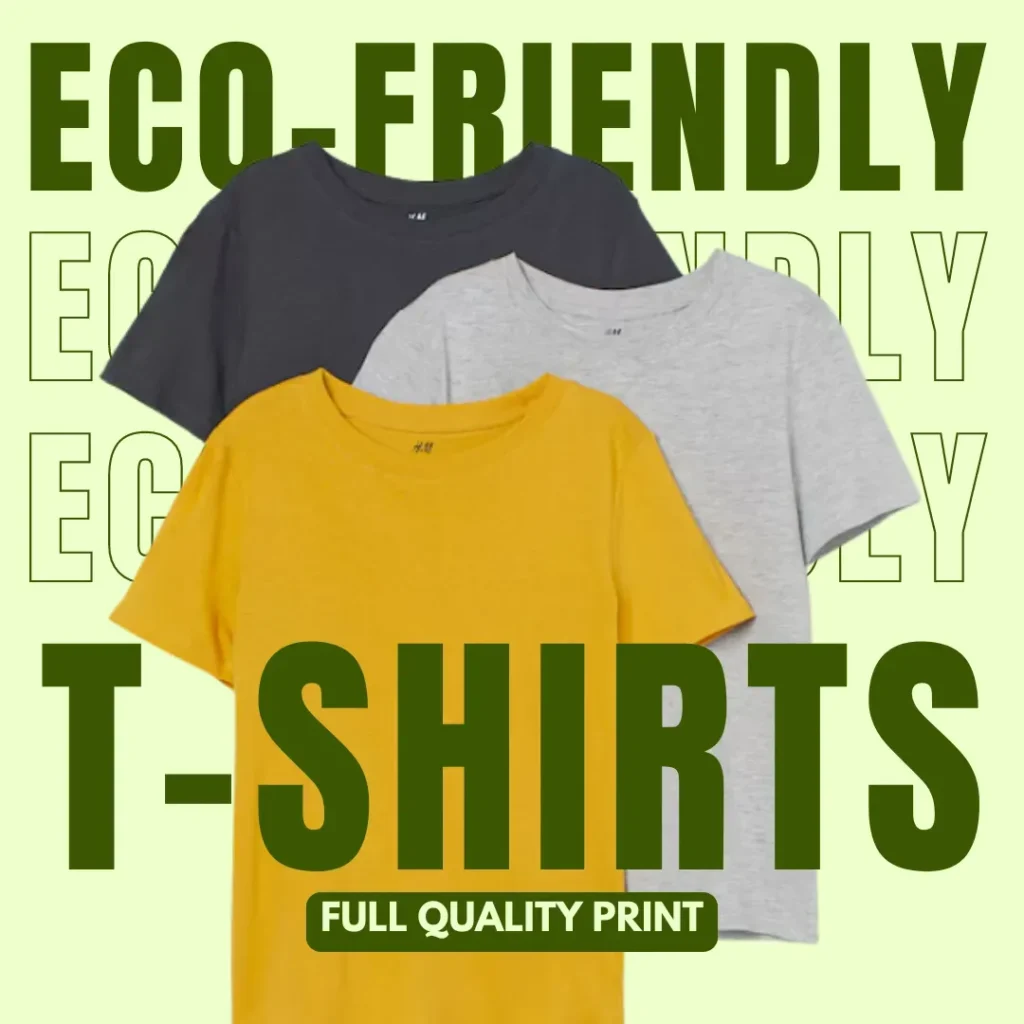
Eco-Friendly Custom Shirts reflect a growing commitment to responsible production, ethical sourcing, and transparent communication with customers. As brands seek to reduce their footprint, emphasizing sustainable fabrics for shirts helps lower environmental impact across the garment life cycle. Advances in eco-friendly printing methods enable vibrant designs with less water, fewer chemicals, and improved energy efficiency. Beyond materials, green apparel customization guides decisions that extend garment life, celebrate quality, and build consumer trust. Choosing organic cotton shirts as part of a thoughtful mix can deliver comfort and performance without compromising sustainability.
In other words, this movement centers on environmentally responsible textile choices, ethical production, and transparent reporting to shoppers. When brands discuss sustainable fashion, they often highlight low-impact textiles, certified supply chains, and responsible dyeing processes. The idea of green apparel customization extends to performance fabrics, water-based inks, and closed-loop recycling programs. By framing products through lifecycle thinking and credible certifications, companies can connect with eco-minded consumers who value authenticity.
Sustainable Fabrics for Shirts
Choosing sustainable fabrics for shirts significantly reduces water usage, chemical inputs, and waste across the garment’s life cycle. From organic cotton shirts to innovative blends like TENCEL Lyocell and hemp, sustainable fabrics offer better moisture management, durability, and lower environmental impact when sourced responsibly. When evaluating options, consider certifications like GOTS, OEKO-TEX, and bluesign to verify claims and ensure transparency.
Beyond organic cotton shirts, explore blends and fibers that align with our green apparel customization goals. Recycled polyester blends reduce virgin plastic and help circularity; natural fibers like hemp grow with minimal pesticides; bamboo can provide softness if processing is low-impact. Always assess lifecycle performance, water-use metrics, and mills’ energy sources to ensure your fabric choice truly supports sustainability.
Organic Cotton Shirts: Certification and Ethical Sourcing
Organic cotton shirts reduce chemical loads and support soil health when grown under credible programs. Even so, water use and farming practices vary; look for certifications such as GOTS and organic cotton standards that cover farm practices and fair labor. Choosing organic cotton shirts with transparent sourcing stories helps consumers trust your brand.
To maximize impact, pair organic cotton with regenerative farming or mixed-fiber options that balance feel and performance. Certification bodies guide accountable supply chains, while brands should publish lifecycle information and supplier audits. This approach makes green apparel customization more credible and traceable.
Eco-Friendly Custom Shirts: Printing Methods and Water-Based Inks
Eco-friendly printing methods reduce solvents, VOCs, and energy use. Water-based inks, in particular, offer softer hand-feel, better fiber penetration, and lower environmental burden compared with traditional plastisol inks. When you select printers, prioritize those that optimize curing energy and recycle ink to minimize waste.
Direct-to-garment (DTG) and screen printing can be aligned with sustainability goals when inks are low-VOC and the process uses closed-loop water systems. Choose equipment and facilities that use renewable energy or efficiency upgrades, and verify they adhere to responsible chemistry standards.
Green Apparel Customization: Design for Longevity and Care
Green apparel customization begins in design. Favor simpler silhouettes, minimal trims, and standardized sizing to reduce waste from production and returns. The goal is to extend garment life by making pieces easy to care for and versatile for many outfits.
A durable shirt design lowers per-wear environmental impact. Choose compatible fabrics and print methods that tolerate washing and wear, and provide customers with clear care instructions. This approach strengthens sustainability storytelling while delivering value to wearers.
Certification-Driven Sourcing for Sustainable Shirts
Sourcing decisions should hinge on credible certifications such as GOTS, OEKO-TEX, and bluesign, which validate chemical safety, worker welfare, and responsible production. These standards help ensure sustainable fabrics for shirts live up to promises, whether you choose organic cotton shirts or other eco-friendly fibers.
Ask suppliers about traceability, water use, energy sources in mills, and dye-bath treatment. Publishing supplier audits and lifecycle data builds trust with customers and supports transparent green apparel strategies.
Lifecycle Thinking and End-of-Life Solutions for Shirts
A lifecycle approach guides decisions from farm to fashion. Assess cradle-to-grave impacts, invest in regenerative farming, energy efficiency, and waste reduction at dyeing and finishing stages. Closed-loop dyeing and water reclamation help minimize wastewater and resource use.
End-of-life options, recycling programs, and take-back initiatives close the loop for Eco-Friendly Custom Shirts and other lines. Communicate recycling guidance to customers, enable product returns, and partner with recyclers to recover fibers. This circular approach reinforces a credible sustainability story and supports a resilient wardrobe.
Frequently Asked Questions
How do Eco-Friendly Custom Shirts leverage sustainable fabrics for shirts to minimize environmental impact?
Eco-Friendly Custom Shirts prioritize sustainable fabrics for shirts such as organic cotton shirts, TENCEL lyocell, hemp, and recycled blends. When sourced with certifications like GOTS or Bluesign, these materials help reduce water use, chemical inputs, and waste across the product lifecycle.
Why are organic cotton shirts a good fit for Eco-Friendly Custom Shirts, and what certifications should you look for?
Organic cotton shirts avoid synthetic pesticides and support soil health, making them a strong choice for Eco-Friendly Custom Shirts. Look for GOTS certification and OEKO-TEX Standard 100 to verify environmental criteria and chemical safety throughout the supply chain.
What role do water-based inks play in eco-friendly printing methods for Eco-Friendly Custom Shirts?
Water-based inks in Eco-Friendly Custom Shirts offer lower VOCs, a softer hand, and reduced solvent use. They work well with DTG and screen printing and can lower curing energy when printers optimize processes.
How can green apparel customization be enhanced by eco-friendly printing methods and low-impact dyeing?
Choose printers that use low-VOC water-based inks, prefer closed-loop dyeing and responsible curing, and demand transparency about chemistry and waste management. This supports stronger Green apparel customization while minimizing environmental impact.
What factors should brands consider when selecting sustainable fabrics for shirts for Eco-Friendly Custom Shirts?
Brands should evaluate credible certifications (GOTS, OEKO-TEX, bluesign), water usage and energy in mills, and dye practices. Consider a balanced mix of fabrics, such as organic cotton shirts for comfort and durable blends for longevity, to optimize Eco-Friendly Custom Shirts.
How does lifecycle thinking influence Eco-Friendly Custom Shirts from farm to fashion?
Lifecycle thinking guides decisions from regenerative farming to end-of-life options, encouraging take-back or recycling programs and circular economy partnerships. Communicating lifecycle data to customers strengthens the Eco-Friendly Custom Shirts narrative and trust.
| Aspect | Key Points | Environmental Benefit |
|---|---|---|
| Fabric Options for Eco-Friendly Shirts | – Organic cotton: avoids synthetic pesticides, supports regenerative farming; GOTS-certified; monitor water use. – TENCEL Lyocell: from wood pulp; good moisture management; biodegradable. – Hemp: fast-growing, durable, fewer pesticides. – Bamboo fabrics: soft and breathable; ensure low-impact processing and traceability. – Recycled polyester blends: reduce virgin plastic; watch energy use and processing quality. |
Reduces chemical inputs and waste; improves lifecycle impacts relative to conventional fabrics. |
| Certifications & Verification | – GOTS, OEKO-TEX Standard 100, bluesign help verify environmental and chemical safety. – Ask suppliers about water usage, renewable energy in mills, and dyeing practices. |
Ensures credible claims and better labor and environmental standards across supply chains. |
| Organic Cotton & Certification | – Organic cotton reduces pesticide reliance; watch water use. – Credible programs combine soil health, irrigation efficiency, and fair labor. – GOTS signals field-to-factory compliance; supports transparent sourcing stories. |
Lower chemical loads; credible labeling fosters consumer trust and storytelling. |
| Printing Methods & Inks | – Water-based inks vs plastisol: softer hand-feel, lower solvents; DTG with low-tox inks; energy-efficient curing. – Use low-VOC inks and responsible ink sourcing; optimize curing and waste management. |
Reduces VOCs and solvent usage; supports energy-efficient production. |
| Dyeing & Finishing | – Low-impact dyes, safe-on-skin dyes; closed-loop dyeing and water reclamation. – Minimize metals and fixing agents; require dye chemistry disclosure. |
Dramatically reduced wastewater and chemical loads; safer garments. |
| Lifecycle Thinking | – Lifecycle from farm to fashion; regenerative farming; end-of-life options; circular economy initiatives. – Publish lifecycle assessments; communicate end-of-life choices to customers. |
Promotes sustainability across the product life, reducing overall impact. |
| Practical Steps for Implementation | – Define a sustainability standard for materials, inks, dye processes, and labor practices. – Source fabrics with credible certifications (GOTS, OEKO-TEX, bluesign). – Choose eco-friendly printers and energy-efficient equipment. – Communicate sustainability attributes clearly with authentic data. – Establish take-back or recycling programs to extend garment life. |
Creates a clear, actionable path to greener products and builds customer trust. |
Summary
Eco-Friendly Custom Shirts offer a practical, scalable path for brands and individuals who want to look good while doing good. By prioritizing sustainable fabrics—such as organic cotton, regenerative blends, and recycled fibers—along with eco-friendly printing methods like water-based inks, you can minimize environmental impact without sacrificing quality. Certifications such as GOTS, OEKO-TEX Standard 100, and bluesign help communicate credibility and responsible practices to customers. A lifecycle thinking approach—from farming and dyeing to end-of-life recycling—helps close the loop and reduce waste. Transparent storytelling and take-back programs further build trust and loyalty, making Eco-Friendly Custom Shirts a compelling choice for responsible apparel customization today and in the future.