
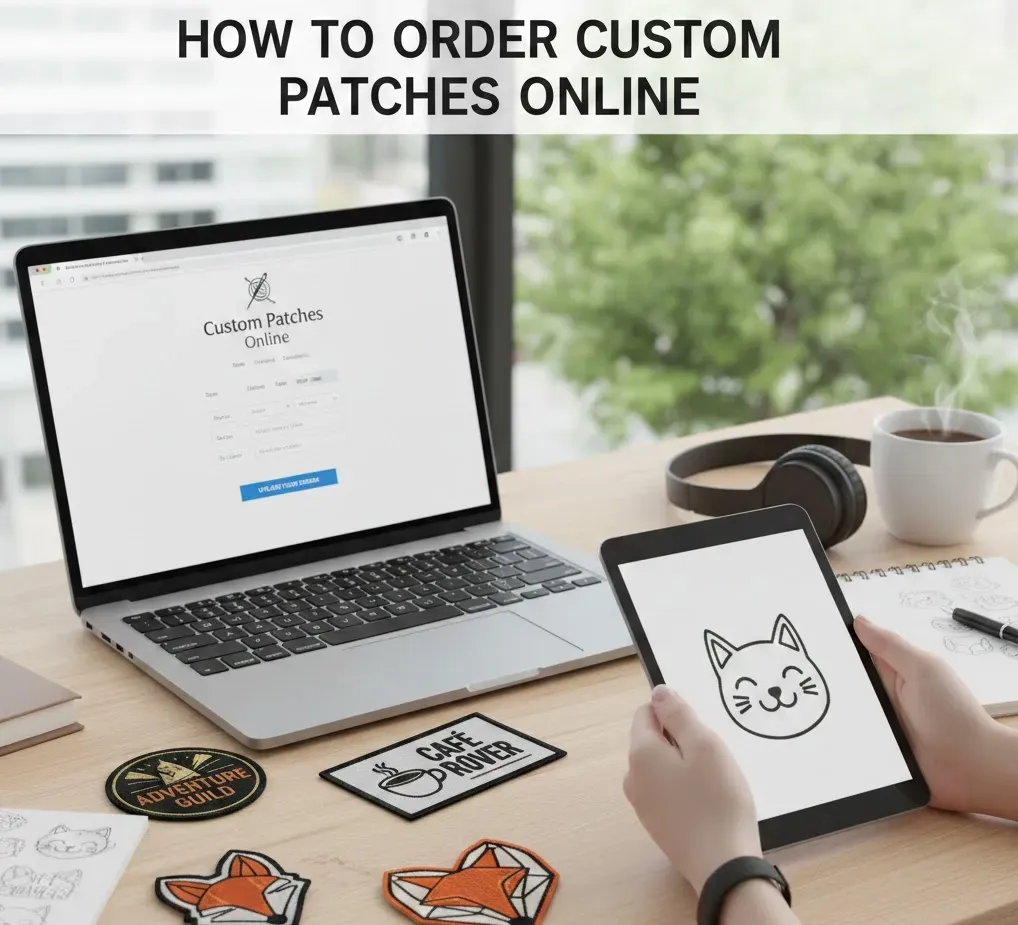
Ordering Custom Patches Online has become the fastest, most convenient way for teams, clubs, brands, and creators to secure consistent, high-quality patches without the hassle of in-person visits or endless email threads, delivering control from concept to final delivery.
From selecting patch types to reviewing proofs, the streamlined process lets you order custom patches online, including options for custom iron-on patches online, compare materials, and secure bulk pricing, while clear color guidance keeps your branding consistent across designs and garments.
Ordering Custom Patches Online: Why Teams, Brands, and Creators Choose the Digital Route
Ordering custom patches online has become the go-to method for teams, clubs, brands, and creators who want consistency, high quality, and the convenience of shopping from anywhere. By leveraging an online ordering flow, you can review proofs, compare materials, and place orders without the back-and-forth of in-person visits or endless email threads. This approach also makes it easier to scale from small runs to bulk quantities while maintaining brand integrity across all patches.
If you’re learning how to order patches online, you’ll appreciate the transparency of the process—from selecting backing options to confirming final sizes and colors. Online patch printing services enable you to preview how your design will look on fabric, ensuring the final product aligns with your vision. For ongoing programs, this digital route supports quick reorders and consistent output across multiple seasons or product lines.
Preparing Artwork for a Seamless Online Patch Order
Clear, print-ready artwork is the backbone of a successful patch order. Suppliers typically prefer vector artwork for clean edges and scalable borders, but high-quality raster images can also work if they meet resolution requirements. When you prepare files for an online order, you’ll want to optimize for stitching paths or laser-cut lines to avoid edge blurring during production.
Essential formats to have on hand include AI, EPS, and PDF for vector designs, while high-resolution PNG or TIFF files (at least 300 dpi at the final patch size) work well for raster designs. Color guidance matters too—provide Pantone references or precise color codes to minimize color drift when you’re using online patch printing or ordering patches online for a large batch.
Choosing Backing, Finish, and Edges for Longevity
Backings determine how patches are applied and how durable they will be in wear and washing. Options like iron-on, sew-on, or adhesive-backed patches each suit different contexts—from casual wear and uniforms to gear that faces frequent laundering. Selecting the right backing early helps you align with your intended use and budget, especially when you’re considering bulk custom patches online.
Finishes and edges add a premium feel and durability. A Merrowed edge provides a traditional, rugged finish, while laser-cut edges offer a sleek, modern silhouette. Be mindful of the intended surface and laundering conditions; for high-wear apparel, a sew-on or Merrow edge may outlast a basic embroidered patch, while PVC patches might combine durability with bold color blocks for outdoor gear.
Size, Shape, Color, and Quantity: Perfecting Your Patch Specs
Getting the right size and shape is crucial for legibility and cost efficiency. Common shapes include circles, shields, rectangles, and custom contours. Smaller patches save on weight and price but can lose detail, while larger patches showcase intricate embroidery more clearly. When ordering patches online, specify the exact dimensions your project requires to avoid surprises in production.
Color accuracy is another critical factor. If you have brand colors, provide Pantone references or color codes, and request a color matching proof if Pantone isn’t available. By clearly defining color and size at the outset, you can minimize back-and-forth during the online ordering process and reduce the risk of reprints when you place bulk orders online.
Proofing, Pricing, and Payment Terms in the Online Patch Marketplace
A digital proof is your second line of defense against misaligned expectations. Review stitching lines, color blocks, and text for legibility, and confirm edge finishing and backing choices before production begins. Many online platforms let you approve proofs directly within the portal, which streamlines collaboration across teams and vendors.
Pricing for custom patches online varies with size, colors, backing, finish, and quantity. Bulk discounts are common for large runs, but be mindful of potential hidden costs like setup fees or special finishing. When planning budgets, compare quotes across suppliers and consider payment terms that fit your cash flow, especially for large or recurring orders.
Production Timelines, Shipping, and Reordering for Long-Term Programs
Production timelines depend on patch type and complexity. Embroidered patches typically require more stitching and finishing time, while PVC patches can be faster due to digital molds. Online ordering portals usually display estimated production windows and tracking once production begins or the order ships.
For ongoing programs, consider setting up reorders with templates for artwork, size specs, and color references. Bulk patch orders online often benefit from saved designs and standardized specifications, enabling faster restocking for teams, clubs, or product launches. Establish clear lead times and batch testing practices to maintain consistency across seasonal runs and reorders.
Frequently Asked Questions
What is Ordering Custom Patches Online and what are its benefits?
Ordering Custom Patches Online lets you design, review proofs, compare materials, and place patches from anywhere, with options for small runs or bulk orders. It’s ideal for teams, clubs, brands, and creators who want consistent quality without in-person visits. A typical online flow includes defining goals, preparing artwork, selecting backing and finish, sizing, proofing, pricing, and production timelines.
How to order patches online for a sports team using online patch printing?
Start with Step 1 by defining your goals and selecting patch types (embroidered, iron-on, PVC). Upload ready artwork (vector preferred) and choose size, shape, and backing. Review a digital proof, compare pricing, and place the order through the portal; you can request a physical sample if available.
What backing options should I consider when I order custom patches online?
Common backings include iron-on, sew-on, or adhesive-backed patches. Iron-on is convenient for casual wear, sew-on for tougher durability, and adhesive backs for accessories. Pair backing with finishes like Merrow edges or laser-cut borders to match wear and branding.
What should I know about bulk custom patches online pricing and lead times?
Bulk custom patches online typically offer lower per-unit costs, with tiered pricing and potential discounts for early payment or bundled shipping. Check lead times for your patch type and order size, and consider requesting pre-production samples to validate quality before committing.
What artwork formats and proofs are accepted by online patch printing providers?
Provide vector artwork in AI, EPS, or PDF when possible; high-resolution PNG or TIFF (300 dpi) works for rasters. Use Pantone references if you need exact colors. Use the platform’s proofing tool to review stitching lines, colors, and final size before production.
How can I ensure color accuracy when ordering patches online and what is the role of proofs?
To ensure color accuracy, share Pantone values or precise color references and request a color-matching proof. Use the online proofing feature to verify color blocks and edges; approve the proof before mass production to minimize color drift and reprints.
| Step | Key Point Summary |
|---|---|
| Introduction | Ordering Custom Patches Online enables design customization, proofs, material comparisons, and online ordering from anywhere; supports small runs and bulk. |
| Step 1 | Define patch goals and patch type: choose between embroidered, iron-on, and PVC/enamel; consider usage, washing, and visual impact; request samples or small mixes; plan quantities and minimums. |
| Step 2 | Prepare artwork: prefer vector designs; accepted formats include AI, EPS, PDF; high-res PNG/TIFF with transparent background; provide Pantone references; upload artwork and specify size/shape and edge finish; use proofs to confirm before production. |
| Step 3 | Choose backing and finish: backings (iron-on, sew-on, adhesive); Merrow edge vs laser-cut; finishes (plain embroidery, beveled edge, textured stitching, 3D effects); consider laundering and wear. |
| Step 4 | Decide size, shape, color, and quantity: common shapes (circle, shield, rectangle, custom); specify Pantone colors or color codes; plan quantity and production time; acknowledge tolerances and consider samples. |
| Step 5 | Proofing and approvals: review stitching, color blocks, and text for legibility; check background and edge finishing; align multiple patches; use in-portal proofs and consider a second round after samples. |
| Step 6 | Pricing, discounts, and payment terms: factors include size, colors, backing, finish, and quantity; bulk discounts; watch for hidden costs; consider shipping; compare quotes. |
| Step 7 | Production timelines and shipping: timelines vary by complexity; standard, expedited, and rush options; track shipments; plan around events and multi-region delivery. |
| Step 8 | Placing the order and tracking: log in, save designs, upload art, request proofs; review total price and estimated delivery; receive confirmation and tracking. |
| Step 9 | Care and warranty considerations: follow washing/care guidance; warranties or guarantees; contact support with order number and photos for issues; occasional reprints or discounts for defects. |
| Step 10 | Handling bulk orders and reorders: save artwork/specs as templates; establish lead times and minimums; keep color references and size specs accessible; consider pre-production samples. |
| Step 11 | Common pitfalls and best practices: ensure clear, scalable artwork; provide exact color references; verify backing; request proofs; budget for lead times; order samples. |
Summary
Conclusion: Ordering Custom Patches Online provides a flexible, scalable way to create patches for branding, uniforms, and merch. By defining goals, preparing artwork, selecting appropriate backing and finish, deciding on size and color, reviewing proofs, and planning around timelines and bulk discounts, you can achieve consistent results that reflect your brand. This approach supports individuals and organizations—from teams to creators—seeking reliable quality and timely delivery while staying within budget.